
Childhood, Empathy, and Moral Excuses
Stephen King Three Classic Novels Box Set: Carrie, 'Salem's Lot, the ShiningThis arc explores the novel’s challenge to the claim that youthful cruelty is harmless because its perpetrators are only children.
increasing Bearing strength in each event
 decreasing
Bearing strength in each eventdecreasingThe Excuse of Childhood

The Excuse of Childhood
A Survivor’s Qualification
Susan Snell emphasizes that Carrie, Christine, Thomas, and their classmates were teenagers. Their age helps explain poor judgment and social conformity.
Explanation Is Not Erasure
The fact that they were young does not make their actions harmless. Susan’s reflection asks readers to distinguish understanding an immature choice from excusing its impact.
The Long Habit of Teasing
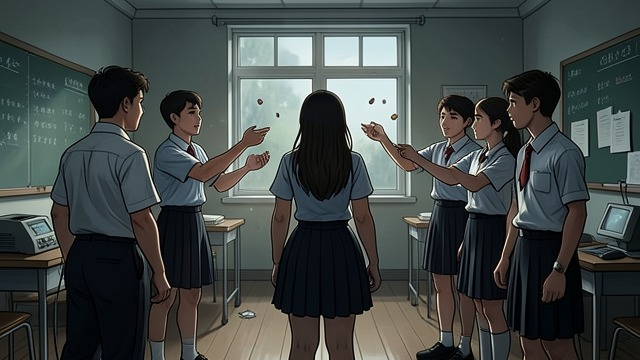
The Long Habit of Teasing
Small Acts Repeated
Carrie faces pranks and ridicule from childhood through high school. Each episode can be dismissed by others as a joke, but the pattern steadily shapes her sense of safety.
Social Permission
Students learn that Carrie is an acceptable target because others have already treated her that way. The novel locates responsibility in both individual actions and the group habit that sustains them.
A Group Chooses the Joke
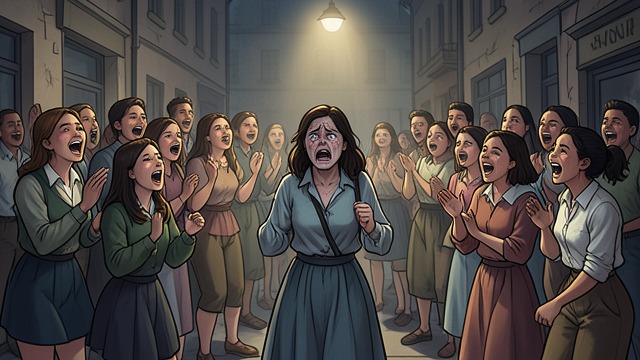
A Group Chooses the Joke
Participation Spreads
The girls chant, laugh, and throw sanitary products at Carrie. Some may feel unease, but the group’s momentum makes cruelty feel like shared entertainment.
Empathy Withheld
The students see Carrie’s confusion and fear without imagining the experience from her position. The scene turns the absence of empathy into a concrete social act.
Sue Names Her Hypocrisy
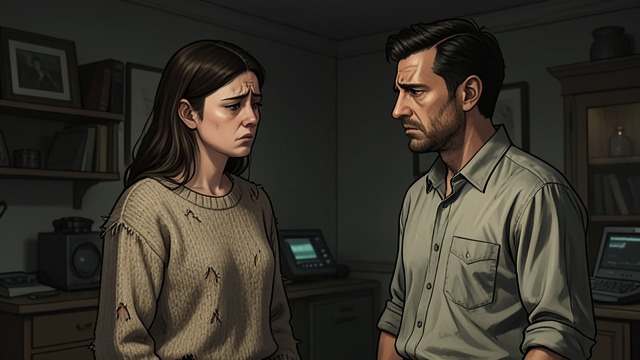
Sue Names Her Hypocrisy
Acknowledging Participation
Susan Snell admits to Thomas Everett Ross that she joined the hazing. She cannot defend the act as something Carrie caused.
A Difficult Principle
Sue asks what apology would mean if it did not require a meaningful action. Her question opens a route toward responsibility, while acknowledging that a single gesture cannot repair accumulated harm.
The Consequence of a Joke
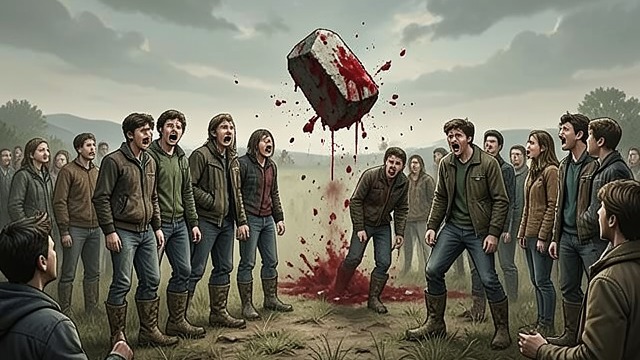
The Consequence of a Joke
Intent Meets Outcome
The blood prank is designed to humiliate, not to destroy a town. Yet its perpetrators’ choices become part of a catastrophe with hundreds of deaths.
Responsibility in Retrospect
The novel does not claim that teenagers can foresee every consequence. It does show the danger of treating another person’s pain as entertainment and of assuming that a joke has no real cost.
After the disaster, in Susan Snell’s account
Carrie’s school years
May 1979, in the shower room
The week after the shower-room incident
May 27–28, 1979
